
Dock and Boathouse Basics in Muskoka — Costs, Maintenance, and What to Check
A dock isn’t just a feature—it’s how you use the property. And on waterfront real estate, dock and boathouse condition can meaningfully affect both lifestyle and long-term maintenance costs.
Here’s what buyers (and sellers) should know about Muskoka docks and boathouses.
Common dock types you’ll see
- Floating docks: Flexible and common; anchoring and seasonal movement matter.
- Post docks: Can be stable but depend on lakebed conditions.
- Crib docks: Traditional and sturdy, but repairs can be expensive.
What to check during showings
- Stability (wobble, loose connections)
- Rot, rust, and missing hardware
- Water depth at the end of the dock
- Exposure to wind/wake (and how that affects wear)
Boathouse considerations
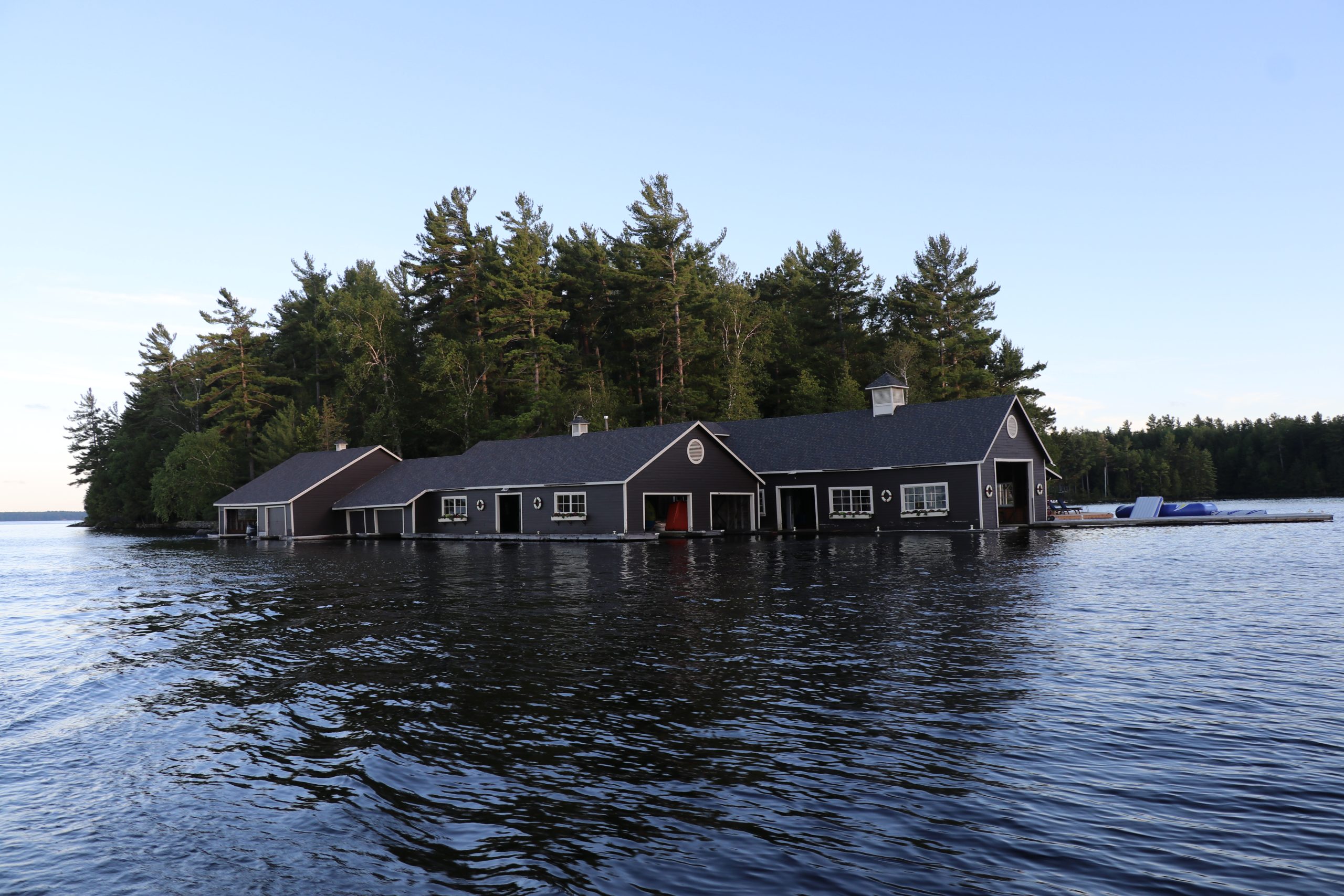
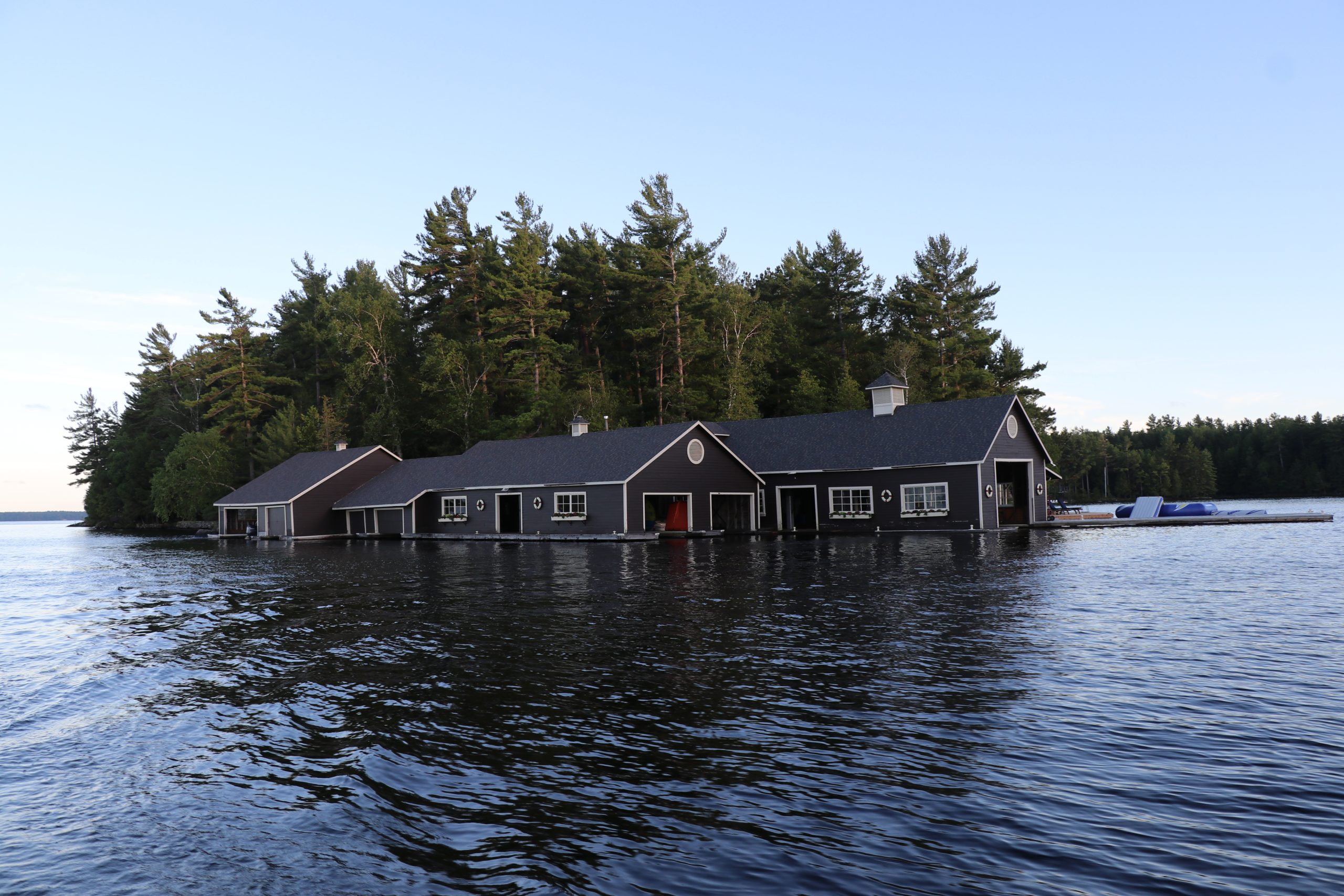
Boathouses can be iconic in Muskoka, but they’re also structures exposed to water, ice, and weather.
- Roof condition and ventilation
- Electrical and safety
- Door systems and lift condition
- Signs of shifting or water damage
Budgeting: the part most buyers underestimate
Even a “good” dock has ongoing costs.
- Seasonal install/removal (for some systems)
- Hardware replacement
- Shoreline touch-ups
- Ice damage prevention strategies
If you’re buying, I recommend treating dock/boathouse condition as part of your core due diligence—right alongside septic and water systems.
Enjoy this blog post? Click here to subscribe for updates
Leave A Comment