
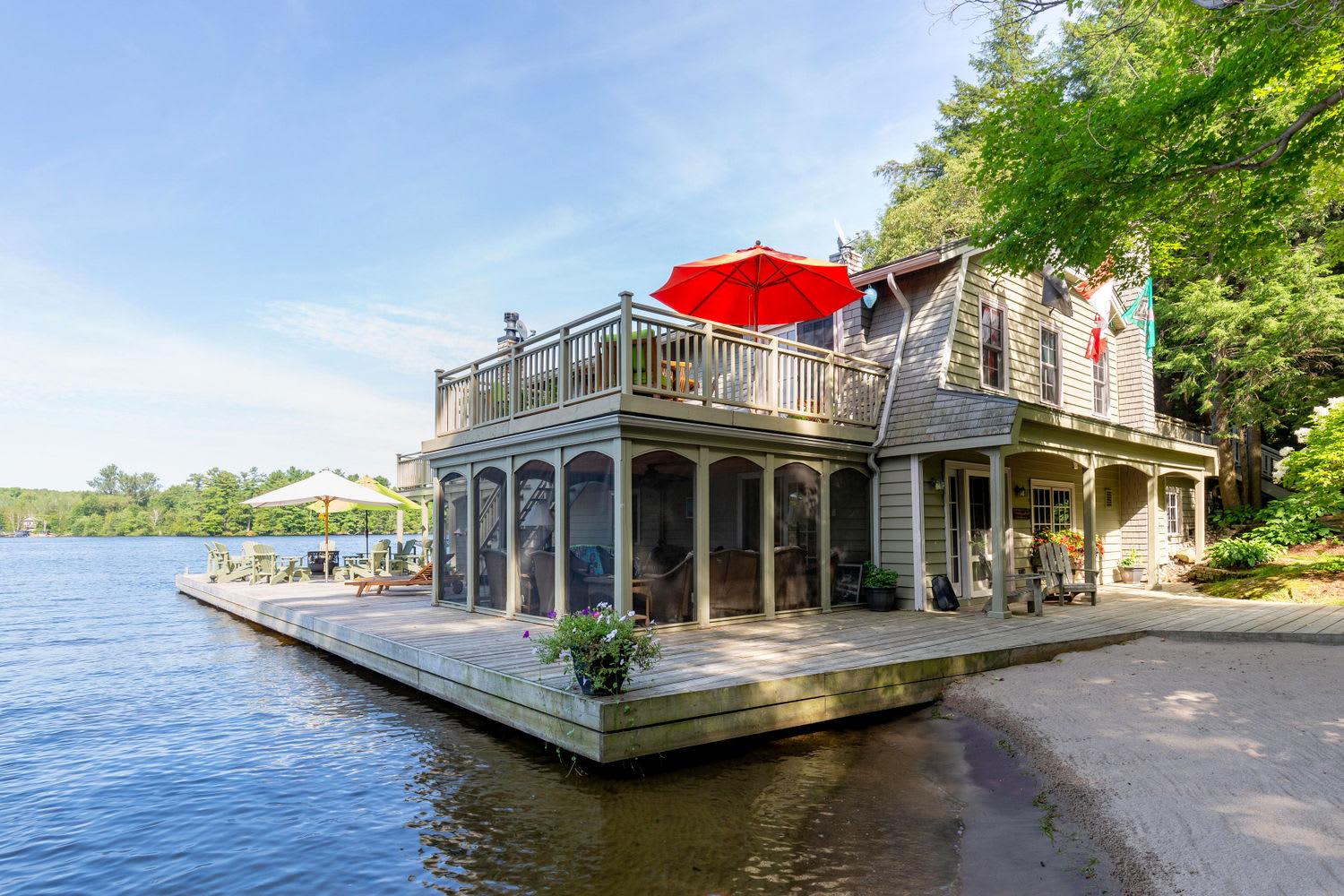
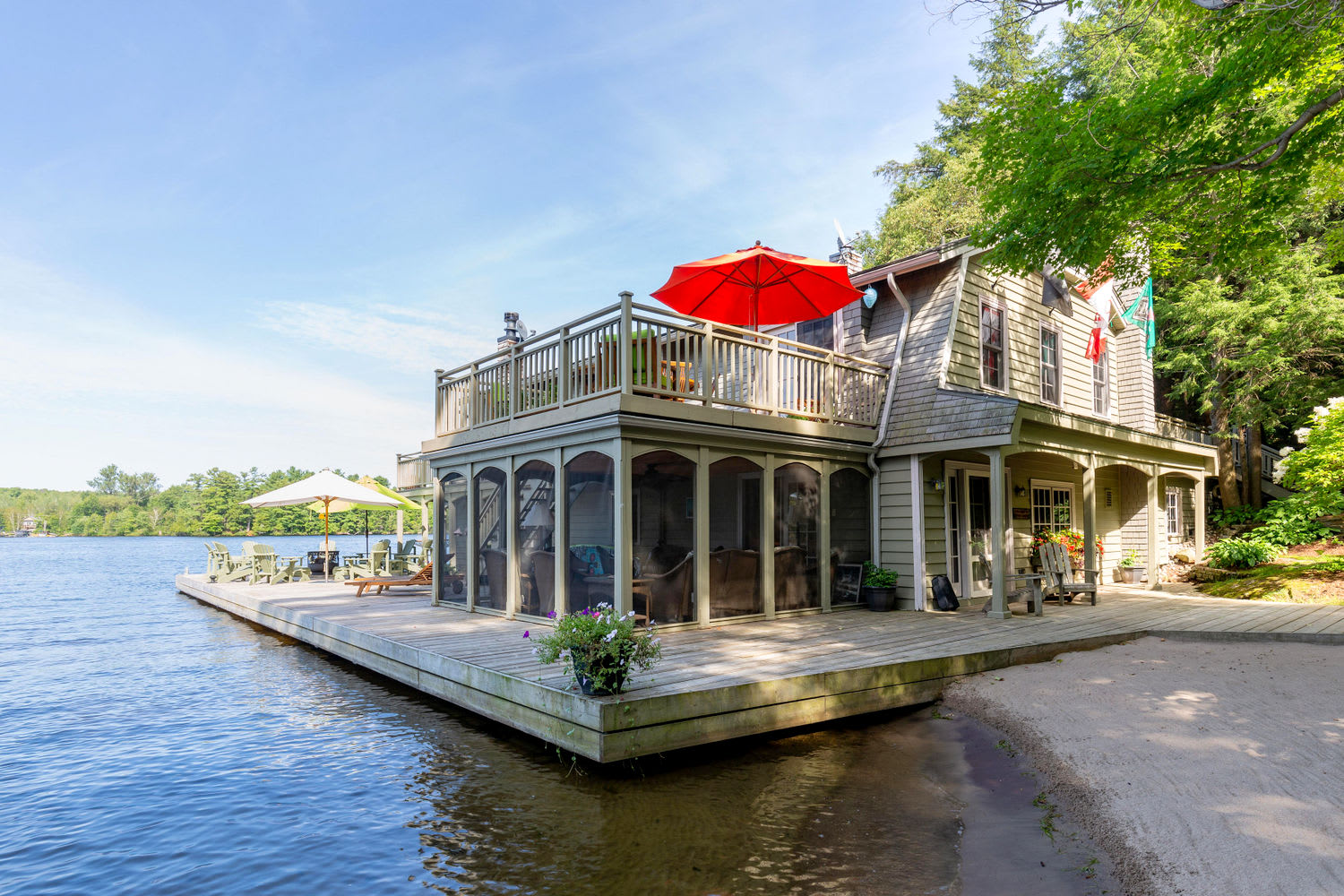
 The Myth of the “Private Buyer” Pitch in Muskoka: Why Broad Exposure Usually Wins
“We have private buyers.” It sounds reassuring — and it can be expensive.
If you’re selling a Muskoka waterfront cottage, you’ll likely hear some version of this line:
“Don’t worry — we have private buyers.”
It’s usually delivered with the right tone: discreet, polished, and positioned as the “luxury” way to sell. No sign at the end of the lane. No open houses. No weekend traffic. Just a quiet sale to a curated list.
And for many cottage owners — especially families selling a property with decades of memories — that approach can feel respectful.
But here’s the truth: in most cases, limiting exposure limits competition — and competition is what protects your price.
Why the exclusive listing pitch is so persuasive
The private-sale pitch works because it taps into real seller priorities:
- Privacy (you don’t want strangers walking through)
- Control (you want a calm, dignified process)
- A sense of prestige (luxury should feel “bespoke”)
Those are all valid.
The problem is that privacy and premium pricing aren’t the same goal — and an “exclusive listing” isn’t the only way to protect privacy.
What sellers often don’t realize about “exclusive” or “off-market” listings
An exclusive (sometimes called “off-market” or “pocket”) listing typically means the property is marketed to a limited audience — often within one brokerage or a small network.
That can create two big risks for sellers:
- Fewer qualified buyers see the property
- Fewer buyers means less competition
And when you remove competition, you often remove the very thing that pushes a rare waterfront property to its true market value.
In Muskoka, premium results come from competition — not secrecy
Waterfront cottages aren’t “rare” because they’re hidden. They’re rare because they’re one-of-one:
- the bay
- the shoreline
- the view corridor
- the sun exposure
- the depth at the dock
- the privacy and approach
When the right buyer finds the right property, they’ll pay for it — but only if they know it exists.
The strongest sale prices typically happen when multiple qualified buyers are aware of the opportunity at the same time.
That’s why broad exposure (done properly) tends to outperform quiet marketing.
“But I want discretion.” You can have discretion and full exposure.
This is where good strategy matters.
Discretion shouldn’t mean “fewer buyers.” It should mean a more controlled, professional process.
Here are ways to protect privacy without shrinking your buyer pool:
- Appointment-only showings (no casual drop-ins)
- Pre-qualified buyer screening (financing/proof of funds where appropriate)
- No open houses (common for many waterfront listings)
- Strong showing windows (so your family isn’t constantly disrupted)
- Thoughtful marketing assets (so buyers understand the property before they book a showing)
In other words: you can keep the experience calm and dignified while still giving the listing the exposure it deserves.
A note on incentives: why some agents prefer private listings
This part is uncomfortable, but it matters.
When a listing is kept “in-house,” it can sometimes increase the chance that one agent or one brokerage represents both sides of the transaction.
That doesn’t automatically mean anything unethical is happening — but it can create a structural incentive to keep exposure limited.
As a seller, you deserve a strategy that’s built around your outcome:
- best price
- best terms
- clean conditions
- a timeline that works for your family
What “exclusive” should actually mean
In my view, “exclusive” shouldn’t describe a restricted marketing plan.
It should describe the level of service:
- accurate pricing based on micro-location (bay-by-bay, not just lake-by-lake)
- exceptional presentation (photos, staging guidance, story, lifestyle positioning)
- marketing that reaches qualified buyers broadly
- a process that’s respectful of a family property
- negotiation that protects your leverage
That’s what luxury representation looks like.
The bottom line for Muskoka cottage sellers
If you’re considering an exclusive or off-market sale, here’s the simplest question to ask:
“How does this strategy increase buyer competition — and how will we know we achieved market value?”
If the answer is vague, it’s worth pausing.
Because once a property sells quietly, you don’t get a second chance to let the full market weigh in.
Thinking about selling? I’m happy to talk it through. Contact me here
If you’re weighing privacy, timing, and pricing for a Muskoka waterfront sale, I’m always glad to have a straightforward conversation.
No pressure — just a clear look at the options, the trade-offs, and what will best serve you and your family.
If you’d like a pricing opinion or a sale strategy for your cottage (including how to protect privacy without limiting exposure), contact me here.
FAQ:
1) What is a private listing in Muskoka real estate?
A private listing (sometimes called an exclusive, off-market, or pocket listing) is a property that’s marketed to a limited audience instead of being broadly promoted.
2) Do exclusive listings sell for more money?
They can in rare situations, but in many cases sellers risk leaving money on the table because fewer qualified buyers see the property and competition is reduced.
3) Can I sell my Muskoka cottage privately and still protect my price?
Sometimes — but you’ll want a clear plan for how the listing reaches enough qualified buyers to create competition.
4) Can I have privacy without an off-market listing?
Yes. Many sellers protect privacy through appointment-only showings, buyer screening, and controlled showing schedules while still marketing broadly.
5) When does an off-market sale make sense?
It can make sense when a seller has a very specific privacy need, a unique timeline, or when there’s a clearly identified buyer — but it’s important to understand the pricing trade-offs.
Enjoy this blog post? Click here to subscribe for updates
Leave A Comment