
Why Some Muskoka Cottages Sit on the Market (and How Buyers Can Use It to Negotiate)
First:
sitting
doesn't always mean something is wrong
In Muskoka real estate, a property can sit for reasons that have nothing to do with quality. Timing, buyer pool, and even weather can change showing volume.
That said, there are patterns and understanding them helps buyers negotiate without guessing.
1) Pricing is out of sync with the bay, not the lake
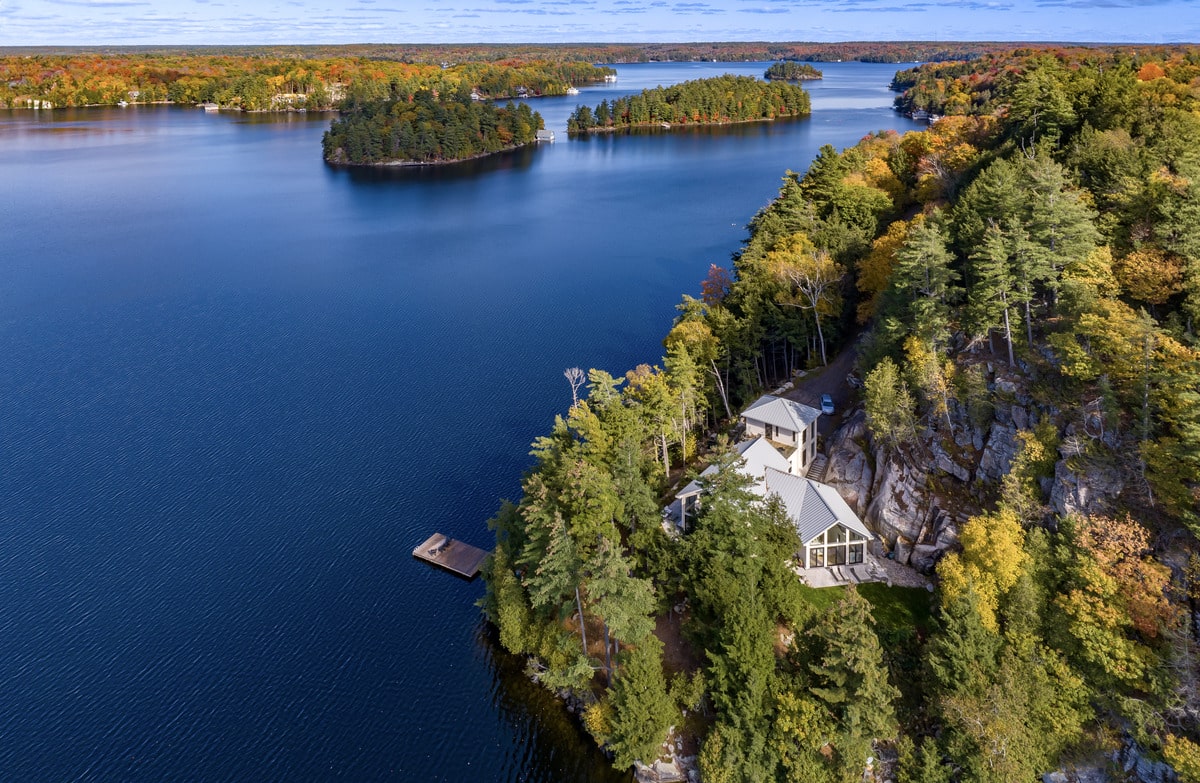
Waterfront pricing is micro-location. Two cottages on the same lake can differ dramatically based on:
- exposure and wind
- dock depth
- privacy
- view corridor
- proximity to a busy channel
When a listing sits, it's often because the price reflects the best version
of the area, not the reality of that specific shoreline.
2) Shoreline usability doesn't match buyer expectations
Common friction points:
- shallow water at the dock
- difficult entry for swimming
- heavy weeds in mid-summer
- limited space for a comfortable dock setup
Buyers may love the cottage but hesitate on the lifestyle.
3) Access and logistics are harder than they look online
Even when a listing says road access
, buyers may discover:
- steep or narrow driveways
- limited parking for guests
- long winter maintenance requirements
- longer-than-expected drive time to amenities
4) The cottage is beautiful but not waterfront-ready
A renovated interior can still hide big-ticket items:
- windows/roof
- heating and insulation (three-season vs four-season)
- older decks and railings
- deferred exterior maintenance
5) Showing friction: it's hard to see (or hard to love)
Listings can sit when:
- showing windows are limited
- the property is cluttered or overly personalized
- photos oversell the space and the showing disappoints
6) The market is telling a story the seller hasn't heard yet
If a listing has:
- multiple price changes
- lots of saves but few showings
- showings but no second visits
That's data. It usually points to one of three things: price, presentation, or a specific feature buyers can't get comfortable with.
How buyers can negotiate intelligently (without being aggressive)
Step 1: Identify the why
Is it price? Shoreline? Access? Seasonality? Condition?
Step 2: Use clean terms, not just a lower number
Strong buyer leverage often comes from:
- reasonable conditions (financing, inspection where appropriate)
- flexible closing timing
- fewer nickel-and-dime requests
Step 3: Anchor to reality, not emotion
A good negotiation is simply aligning price and terms with the property's true position in the market.
The biggest mistake buyers make
They assume sitting
means discount.
Sometimes it does but sometimes it means the right buyer hasn't seen it yet.
Your goal is to understand which situation you're in and act accordingly.
If you're watching a cottage that's been sitting, email me the listing and I'll tell you what I'd investigate first and how I'd think about an offer strategy.
FAQ:
Why do some Muskoka cottages take longer to sell?
Most commonly: pricing vs micro-location, shoreline usability, access/logistics, condition (three-season vs four-season), or presentation.
Is it easier to negotiate on a cottage that's been on the market longer?
Sometimes. Longer days on market can create flexibility, but it depends on seller motivation and whether the listing is priced correctly.
What should I look for before making an offer on a waterfront cottage?
Dock depth, shoreline entry, exposure, privacy/sight lines, access, and the condition of major systems not just finishes.
Enjoy this blog post? Click here to subscribe for updates
Leave A Comment